What is Float Therapy? A Complete Beginner’s Guide
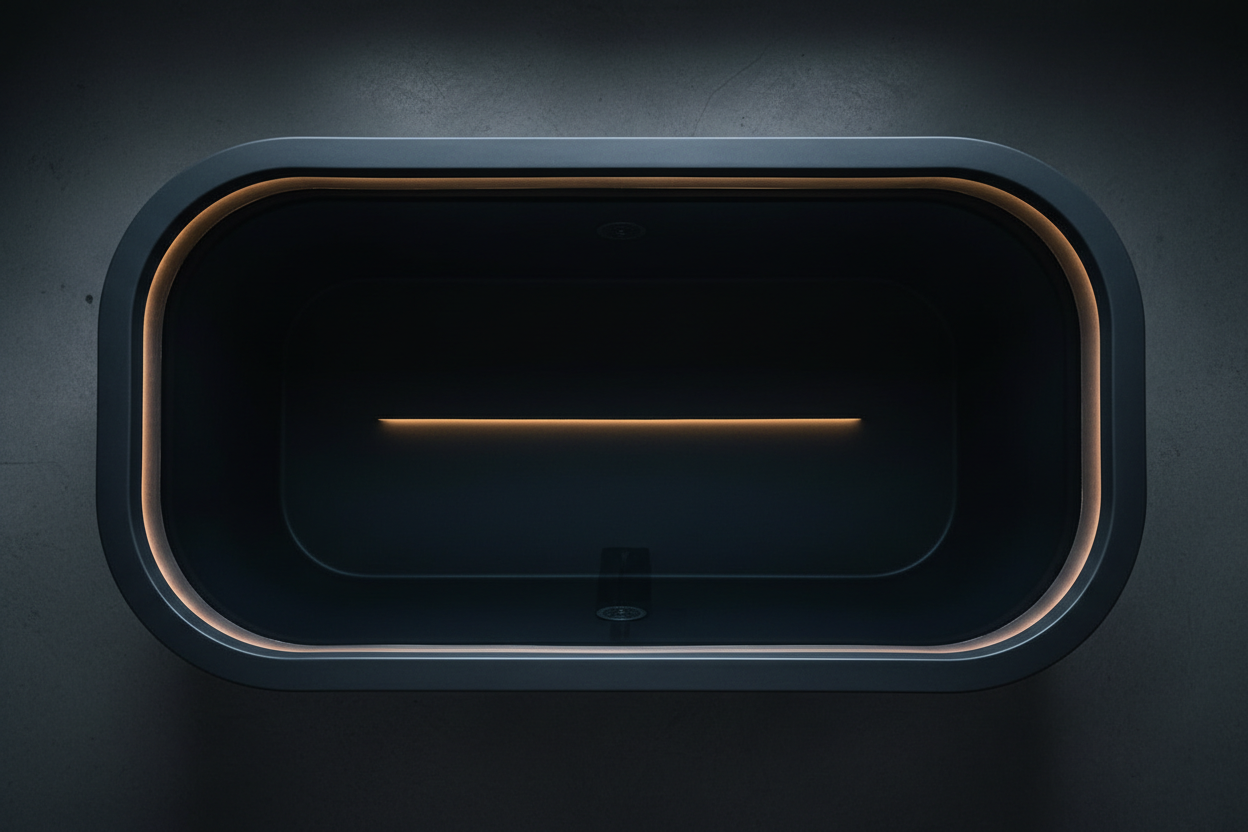
Float therapy — also known as sensory deprivation therapy or Restricted Environmental Stimulation Technique (REST) — involves lying in a specially designed pod filled with water saturated with pharmaceutical-grade Epsom salt (magnesium sulfate). The water is heated to approximately 93.5°F (34.1°C), the same temperature as the surface of your skin. The result: your brain genuinely cannot distinguish where your body ends and the water begins.
What Actually Happens
A standard float session at Drip lasts 60 to 90 minutes. You shower beforehand and insert earplugs to keep salt water out of your ears. You then enter the float pod — which is far more spacious than most people imagine — and lie back. You control everything: the lights, the music, whether the pod door is open or closed. You are never locked in, never without agency.
Initially, your mind may race. This is normal. Most floaters experience a settling-in period of 10–20 minutes as the noise of the day gradually releases. Then something remarkable happens: your brain begins shifting into theta wave states — the same frequencies associated with deep meditation and the moments just before sleep. The analytical mind quiets. Something more essential rises.
The Physical Effects
The salt-to-water ratio in our float pods creates a density close to that of the Dead Sea. You float effortlessly on your back, requiring no effort to stay afloat. This removes all gravitational pressure from your skeletal system — your spine decompresses, your muscles release, and your joints stop working for the first time in your waking life. The magnesium in the Epsom salt absorbs transdermally through the skin, further supporting muscle relaxation and cellular recovery.
The Benefits
- Measurable reduction in cortisol (stress hormone) levels
- Relief from chronic muscle and joint pain
- Deep parasympathetic nervous system activation
- Accelerated athletic recovery and DOMS reduction
- Improved sleep quality, particularly when floated in the evening
- Mental clarity and creative insight
- Management of anxiety, depression, and PTSD symptoms
Is It Right for You?
Float therapy is safe for most adults. It is not recommended for those with open wounds, severe epilepsy without physician clearance, or infectious skin conditions. Pregnant women in their second and third trimesters often find the zero-gravity environment profoundly comforting — but always consult your healthcare provider first.
Your first session is waiting. Come with no expectations. Leave with a new baseline.
Ready to experience it yourself?